Walk down any London street and you see the city’s patchwork of eras. Georgian terraces shoulder up to post-war blocks. Victorian villas sit behind plane trees, with glass towers rising in the distance. The variety is the joy, and the challenge. When you specify double glazed windows or doors in London, the design has to look right for the architecture, meet tight planning rules, and perform in a climate that is getting hotter in summer and still biting in winter. Good design balances all of it, from sightlines to security to thermal performance. Poor design looks out of place, fogs up, or drags down energy bills.
I have spent years advising on window replacements from Central London conservation areas to new builds in Greater London, and the difference between a job that delights the owner and one that frustrates usually comes down to the quiet details. Frame profiles, spacer bars, trickle vents, gaskets, drainage routes, locking systems, glass coatings, and installation tolerances. They are small choices, but they add up.
What modern double glazing means now
Modern double glazing in London goes far beyond a two-pane unit. Today’s double glazed windows and double glazed doors rely on a sequence of tuned layers. Low-emissivity coatings reflect heat back into the room, warm-edge spacers reduce cold bridging, argon or krypton fill slows conduction, and laminated panes address security and noise. The goal is an A-rated double glazing London homeowners can live with day to day, not just a product sheet claim.
You can hit high performance with looks that fit anything from a stucco-fronted townhouse to a minimalist infill. That is where modern double glazing designs London architects and homeowners now prefer diverge from the chunky white frames that dominated the early 2000s. Thinner sightlines, colour-matched hardware, flush casements, and heritage profiles are the hallmarks. The best double glazing companies in London have invested in profiles and fabrication that hold these tolerances and aesthetics reliably, not just once for a showroom sample.
Frame materials that actually suit London homes
UPVC vs aluminium double glazing London buyers debate is not settled by a single metric. I see projects where both are correct in different rooms of the same property, and projects where a third route, timber or composite, is the proper answer.
Aluminium has become the modernist default for its slim frames and rigidity at large sizes. Good systems now include polyamide thermal breaks that produce U-values competitive with UPVC. If the brief is a large picture window in a South London extension, or a sliding system that opens a kitchen to the garden, aluminium delivers the clean lines and scale. Powder coating gives you the RAL chart and beyond, including dual colour, and the finish stands up to city grime with simple maintenance.
UPVC suits many flats and family houses for cost, thermal performance, and low maintenance. Affordable double glazing London shoppers often end up with UPVC because you can hit A-rated glazing without jumping through bespoke fabrication hoops. The downsides used to be fat frames and limited colours. Modern UPVC systems have slimmer sashes and foiled finishes that mimic painted timber without the plastic sheen. If you need a lean budget without compromising energy efficient double glazing London building stock increasingly demands, UPVC is competent when the profile and fabrication are sound.
Timber and timber-aluminium composites still matter, particularly for double glazing for period homes London is known for. Where you are under conservation constraints or you want the tactile feel of wood internally, engineered timber with proper drip details and microporous paint lasts well. It costs more, and it needs upkeep, but in a Victorian bay on a street with sash rhythm, this is often the only route that looks right.
Glazing units that do the invisible work
Most homeowners think “double glazing” and stop at two panes and a gap. The choices within that sandwich control your bills, your sleep, and the way your rooms feel. Energy efficient double glazing London properties benefit from uses a soft-coat low-E on the inner pane to reflect long-wave heat back into the room. Argon is standard; krypton appears in narrow cavities where you need slimline heritage units. Warm-edge spacers, ideally black or dark grey, cut down on condensation at the perimeter and look better than shiny aluminium.
If you live on a bus route or near a train, noise reduction double glazing London residents rave about is not just thicker glass. You want asymmetry. Pair 4 mm with 6 mm, or 6.4 mm laminated with 4 mm, and choose acoustic PVB for the laminate if budget allows. That uneven mass disrupts different frequencies, which matters more than a headline decibel number on a brochure. Combine with careful sealing of the frame-to-wall joint. Most of the sound leaks through gaps, not glass.
Security is the other quiet layer. Laminated inner panes, espagnolette locking points, hinge-side security bolts, and proper steel reinforcement in UPVC make forced entry far harder. For ground floor double glazed doors London homeowners should insist on multi-point locks, anti-bump cylinders, and laminated glass as standard. A door that only looks sleek without those features invites trouble.
Aesthetics without apology
Modern double glazing designs London clients request divides into three camps. First, minimalist new build and extensions with sharp lines. Thin aluminium profiles, full-height sliders, bonded glass corners, and consistent shadow gaps. Sightlines match across windows and doors, and the hardware is reduced to simple pulls or recessed handles. These projects reward the double glazing experts London needs for clean detailing, including drainage slots and trim that are invisible once installed.
Second, heritage-savvy replacements. Here, flush casements, putty-line or ovolo sashes, and slim meeting rails are key. Astragal bars that actually look like timber glazing bars, not stuck-on plastic strips, require a good manufacturer. If you are in Central London double glazing often has to pass a conservation officer’s eye. Neatly proportioned sash horns, correct step in cills, and paint-matched foils can get an approval that a generic white UPVC unit would never reach.
Third, the hybrid. Many London homes mix a contemporary rear extension with a traditional front elevation. You might specify aluminium sliders at the back, and heritage-look flush casements or sash at the front, keeping the street elevation true. This is where double glazing supply and fit London firms with both product ranges save you grief, because they can colour-match, align cill heights, and keep hardware finishes consistent.
Costs that make sense when you break them down
Double glazing cost London homeowners face varies widely because every property throws its own constraints. You can expect a single UPVC casement replacement to run in the low hundreds per window, with typical whole-house replacements for a two-bed flat ranging from roughly £3,000 to £7,000 depending on spec. Aluminium frames push that higher, with large sliders or bifolds adding several thousand per unit. Triple vs double glazing London buyers ask about adds 10 to 30 percent to unit cost, sometimes more, and does not always pay you back unless you have significant noise or thermal requirements.
Installation in London tends to cost more than elsewhere due to access, parking, and waste logistics. Scaffold for upper floors in a terrace can add a noticeable line item. If you are working in a block, management company rules can dictate time windows, elevator protection, and additional fees. Factor these in early rather than finding out the week of install.
Where you can control cost is with scope. Batch work reduces labour overhead. If you have six windows and one door, fit them together. Choose standard colours where possible. Ask double glazing suppliers London based about lead times on less common foils or hardware finishes, because a delay can push labour into another week and bump the quote. Affordable double glazing London projects tend to be the ones with a realistic spec and a tidy program, not the ones with the cheapest headline price.
Installation quality beats brochure promises
The most expensive glazed unit cannot save you from a poor fit. Good double glazing installers London wide start at the survey. They measure tight, check diagonals, probe for out-of-square openings, look for rot or prior bodges under trims, and ask about condensation or draught history. They specify packers to align the sash properly, and they plan the sealant detail to suit your facade material. Brick, stucco, weatherboard, and stone need different approaches.
The day of installation, they protect floors, remove the old frames carefully to avoid damage to plaster, and they check for hidden voids. They foam cautiously, remembering that foam is not the weather seal. They use the right backer rod and a high-quality neutral-cure sealant at the outside. Internally, they close with trims only where plastering is not feasible, because a plaster return looks better and seals better. They test operation, locking, and drainage before they leave. If you hear a drill, watch for a pilot hole, not a freehand blast through reinforcement.
A-rated double glazing London marketing is built on the whole system performing as promised, and that lives or dies in the last two hours of an install. Ask for photos of previous work, not just product shots. Visit a recent job if you can. You learn more from a ten-minute look at the corner of a cill than from a lengthy brochure.
Maintenance that keeps performance over time
Double glazing maintenance London homeowners often neglect is minor but important. Clean drainage slots twice a year, especially in autumn. Wipe seals with a mild detergent and water, then rinse. Lubricate hinges and locking keeps annually with a light silicone or recommended product. If a sash starts to bind, call for an adjust rather than forcing the handle and damaging the gearbox.
Glass attracts London pollution. Wash with clean water, a non-abrasive cleaner, and a microfiber cloth. Avoid scraping at dried paint with blades that can nick surface coatings. If you notice misting between panes, that indicates a failed unit seal, not something surface cleaning can fix. Most double glazing suppliers London based can replace the sealed unit without removing the frame, which saves upheaval.
Replacement decisions that respect the building
Double glazing replacement London owners undertake is often triggered by draughts, rot, or misted panes. The first judgment is whether you can repair. Timber frames can be spliced and re-glazed with slimline heritage units that keep original character while improving performance. UPVC frames with failed reinforcement or cracked chambers are not worth patching. Aluminium frames rarely fail, but old non-thermally-broken systems in flats can be uncomfortable in winter. Replacing those with modern thermally broken profiles transforms a room.
Double glazing for flats in London introduces communal and legal considerations. Leasehold terms may dictate what you can change. If the building has a consistent fenestration pattern, you will need to match it. Double glazing near me London searches will throw up firms who know the local borough planning quirks. In conservation areas, evidence matters. Photos of the street, scaled drawings of profiles, and a short statement on materials will speed up approvals.
When triple glazing is or is not worth it
Triple vs double glazing London buyers discuss comes down to three conditions. First, if you are next to a major noise source and you have modern airtight walls, triple with an acoustic laminate can make a noticeable difference. Second, if you are building to a very low-energy standard, the improved U-value can help hit targets. Third, if you need comfort near large glazed surfaces, triple can raise internal surface temperatures and reduce cold downdraughts.
Otherwise, double with the right coatings and spacers is the sweet spot for weight, cost, and light. Triple glazed sashes are heavier, placing more load on hinges and frames. On upper floors in older properties, that added weight can create operational issues. In tight terraces, the extra thickness might conflict with sightlines you are trying to preserve.
Doors that work hard without showing off
Double glazed doors London households rely on have to carry security and thermal performance while staying easy to use. For rear facades, sliding, lift-and-slide, and bifold systems each have their place. Sliding doors give you the thinnest sightlines and are better for long openings. Bifolds fold away but add more framing and require careful adjustment to stay smooth.
Front doors with glazed panels bring in light but must be laminated for security. Composite doors insulate well and resist warping. Aluminium front doors offer crisp looks and durability, with modern cores meeting energy targets. The letterplate, threshold, and weatherseal design matter more than most buyers assume. Poor detailing at the threshold is the number one source of water ingress.
Choosing professionals in a crowded market
The best double glazing companies in London tend to share habits. They survey thoroughly, they don’t overpromise on lead times, they manufacture or source from reliable systems, and they show you installed examples. Smaller double glazing manufacturers London based can offer more bespoke profiles and finishes, while larger firms bring scale and shorter lead times to common colours. Both models can deliver if they have strong fabrication quality.
For homeowners who want a single point of responsibility, double glazing supply and fit London services make sense. If you are an architect or an experienced renovator, separating supply and install can work, but it raises coordination risk. Ask who actually installs, https://rooflightreviewri5.almoheet-travel.com/upvc-vs-aluminium-doors-security-and-insulation-compared how long they have worked with the supplier, and how aftercare works. Double glazing experts London buyers trust will talk plainly about risks and maintenance, not just the sale.
Here is a short, practical checklist that stems from real jobs rather than brochures:
- Verify sightline dimensions on an actual sample of the profile you will receive, not a catalogue photo. Ask for U-values for the whole window or door, not just the centre of glass. Request a section drawing that shows cill detail, drainage, and sealant positions relative to your wall build-up. Confirm glazing bead position and security glazing tape or clips to deter deglazing. Clarify who handles scaffolding, waste removal, and making good, with costs separated.
Matching design to London’s varied neighborhoods
Central London double glazing often contends with heritage constraints, tight access, and high expectations on finish. West London double glazing for terraces in Hammersmith or Chiswick leans toward timber or convincing heritage UPVC profiles at the front, with aluminium doors to gardens at the back. North London double glazing in mid-century and 1930s stock needs attention to bay curves, leaded patterns, and stained glass inserts that can be encapsulated inside sealed units. South London double glazing projects usually involve kitchen extensions with large sliders, where thermal breaks and solar control coatings keep summer heat gain manageable. East London double glazing for warehouse conversions and new-build blocks runs on slim aluminium windows, often tilt-and-turn, with acoustic glazing to handle rail lines and nightlife. Greater London double glazing, from outer suburbs to commuter towns within the M25, brings more detached houses and the freedom to mix formats without strict street symmetry.
Every borough has its temperament. Some conservation officers are pragmatic, others stick to strict sash proportions. Local installers know which details trigger rejections. That local knowledge saves weeks.
Sustainability that is more than a slogan
Eco friendly double glazing London buyers want begins with energy use over the life of the product. Low-E coatings and decent U-values reduce heating demand immediately. Aluminium carries a higher embodied energy than UPVC or timber, but it lasts and recycles well. Timber sequesters carbon, provided it is from verified sources and maintained properly. The greenest choice is the one that suits your building, is installed tightly, and does not need replacing again in ten years.
Ventilation and overheating deserve equal attention. London summers are warmer than a generation ago. Solar control coatings on south and west elevations keep living spaces usable without resorting to blinds all day. Trickle vents are not a cure-all, but the latest acoustic and controllable designs help background airflow without the whistling that older vents produced. Mechanical ventilation with heat recovery in new builds pairs well with airtight frames, but in existing homes, simple measures like secure night vents and shading often do more than a theoretical upgrade to triple glazing.
Custom touches that mark out a thoughtful project
Custom double glazing London projects frequently succeed on the small, made to measure details. A heritage putty line looks right when the external bead mimics chamfered putty, not a rounded plastic strip. A modern frame looks crisp when the sightlines of the outer frame and the opening sash line up, rather than stepping awkwardly. On painted masonry, a slightly recessed installation avoids the frame looking stuck on. In timber reveals, a proper internal stop bead hides fixings.
For patterned glass, choose carefully. Reeded or fluted glass in bathrooms has returned to fashion and looks good in both period and modern settings. For leaded patterns in bays, encapsulate original stained glass into new sealed units where possible. It keeps the street face familiar while stopping the rattles and draughts.
Hardware ties it together. Black ironmongery on heritage profiles, stainless or brushed nickel on modern lines. Keep the finish consistent across windows and doors. Cheap handles age quickly; higher quality hardware feels better every time you use it.
Aftercare and small repairs that avoid big bills
Double glazing repair London services handle hinge replacements, handle gearboxes, lock keeps, and misted unit swaps. These small interventions prolong the life of your frames. The line between repair and replacement hinges on structural integrity. If the frame is square and sound, almost everything else is replaceable. If the frame has warped or the reinforcement has failed, you are throwing good money after bad.
Keep records. The sticker on your glazed unit has a spacer code that helps future suppliers match thickness and coatings. The installation date and supplier help with warranty claims. If your home is part of a block, keep the specification handy so other flats can match, preserving building value and appearance.
Bringing it all together
Double glazing for London homes is not a single product but a combination of materials, engineering, and installation judgment. A flat on a noisy road in Hackney needs acoustic laminated units and tight seals more than it needs the slimmest sightlines. A stucco-fronted terrace in Pimlico needs sash proportions that pass a conservation review and a painter who understands microporous finishes. A family extension in Wimbledon needs aluminium sliders with solar control and a threshold that will not pool water after a summer downpour.
The right partner matters. Double glazing suppliers London wide can provide samples and real addresses to visit. Double glazing manufacturers London based can tweak a profile for a stubborn reveal. Double glazing installers London homeowners recommend tend to be those who leave corners clean, sashes square, and neighbours unruffled.
If you are starting a project, map your goals clearly. Decide where you care most about view, where you must match heritage, where you need noise control, and where budget bites. Ask for two or three options with clear differences. If a quote looks too tidy, ask what is not included. If a design looks too generic, ask to see an installed version on a similar street. Modern double glazing gives you the tools to improve comfort, cut energy use, and enhance appearance. The best outcomes respect London’s fabric while making the homes within it work better for the people who live there.
Doorwins
Address: Office 11, Dearden House, W Gate, London W5 1BS
Phone: 020 8629 1250
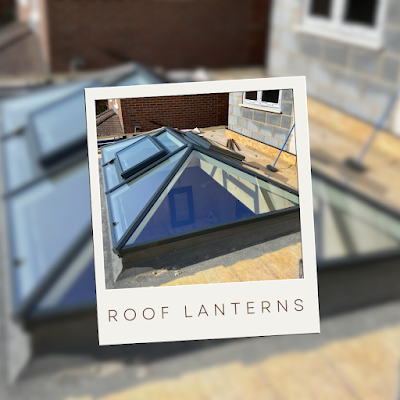
Doorwins Windows and Doors stand as trusted as the number one windows and doors specialists in London. Doorwins experts manufacture, supply and fit roof lanterns and sliding doors for homes, offices and commercial buildings.
Our every glazing installation highlights why Doorwins remains a trusted brand in London’s double glazing industry. Looking for energy-efficient uPVC double glazing, we’ll recommend and install the perfect system.
Being one of London’s number one windows and doors specialists, we maintain our reputation by delivering transparent service, competitive pricing and guaranteed aftercare.
AREAS COVERED: North London, West London, South London, East London, Central London, Inner London.
Doorwins windows and doors
Address: 4 Observatory Gardens, London W8 7HY
Phone: 020 8629 1171
Description: Local double glazing company for aluminium and uPVC upgrades — ideal for full-house window and door replacements.
Services: Full home window and door replacement; supply and fit; post-install care.
Products: Energy-efficient double glazing with low-E units, warm-edge spacers and PAS 24/SBD-ready hardware; made-to-measure frames.